Madmaze Studios Private Limited


Menu
From Idea to Impact How to Plan a Product Launch That Turns Heads
Introduction
A promising product justifies a great launch. However, in this competitive market, without proper planning, even the best ideas can get lost. A great launch creates clarity on the reasons your product is essential and how it can improve your audience’s lives. Whether you are a new business owner or have an existing brand, planning and staying organized is the key to converting attention into action. With the correct approach, a smart pre-launch campaign checklist for brands, and a roadmap to follow, you can design a launch that will stop people in their tracks, provoke questioning, and be memorable.
Defining Your Product Launch Vision and Goals
Before designing, marketing, or hosting events, you absolutely need to get clear on one thing. What should this launch accomplish?
Companies differ in their approach, depending on whether they prioritise creating visibility, generating sales, or building loyalty as their primary goal. The outcome of each decision will be determined by the objectives you have set.
Begin with a very straightforward vision. Wrap the essence of your product in a single crisp sentence. This will henceforth be the common thread for your team, the event creators, and the marketers. When your vision is clear, it becomes easier to plan creative event ideas for product launches, select the right audience, and craft a compelling story around your product. This prior clarity eliminates the risk of confusion and ensures your launch is seamless.
Building a Strategic Pre-Launch Plan
The pre-launch phase is where all the excitement happens. This is where your pre-launch campaign checklist for brands becomes significant. A practical checklist might encompass items such as audience research, content production, teaser campaigns, influencer engagement, email lists, landing pages, and demo videos.
Your aim in this stage is to get the audience warmed up. Drop them hints, tell them little things, and create more and more curiosity. Always use the same and the clearest messages so that people can get the point of your product right away.
A proper pre-launch schedule works on a timeline. Distribute the dates for the social media posts, internal approvals, testing, and technical checks. When every task is spelt out, your team is free from the pressure of a last-minute rush.
Another approach is to gather initial feedback through focus groups or by soliciting it from your most loyal customers. This will help you improve the product and identify the most critical selling points.
Executing a Show-Stopping Launch Event
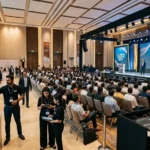
Your idea becomes a reality with a successful launch. Whether it’s an online event or an offline gathering, strive to create an experience that becomes unforgettable for your audience. Renowned brands employ bold visuals, storytelling, and interactive demos to make their product launch memorable.
Utilise creative event ideas for product launches that align with your brand’s personality. For example, a FMCG company can utilise interactive food stalls, while a fashion brand may host a mini-runway. Whatever you choose, ensure the event aligns with your brand’s vibe.
Design the event straightforward yet impactful. Clarity in presentations, confidence in speakers, and seamless transitions can significantly enhance the overall atmosphere of the event. Also, always have a technician on-site to handle any technical issues. The aim is to organise an event that not only introduces your product but also gains the trust of the customers.
Post-Launch Momentum and Measuring Success
The launch event does not mark the end of the process. On the contrary, it is the most crucial time for the brand to communicate with the audience. Keep customer testimonials, use case scenarios, and educational articles flowing. Additionally, your team must respond to queries and engage with customers across all platforms.
To evaluate the launch’s performance, it is necessary to determine how to measure product launch success. You need to check various metrics, such as sales, website traffic, the number of attendees at events, social media interactions, and customer feedback. Additionally, you should compare these results with your initial goals. This will provide you with insights into the aspects that were successful and those that required improvement for the next launch.
Conclusion
An effective product launch is a well-designed and well-planned event. It consists of a focus on goal setting, smart planning, a robust pre-launch campaign checklist for brands, memorable event product launches, innovative ideas, and good tracking. When everything hits, your launch creates an amazing experience that people remember and love. With the proper steps, your idea can create buzz and attention in a crowded industry.
March 3, 2026
Recent posts
-

-
11 Legal Requirements Event Planners Should Know
August 30, 2026 -
Experiential Event Management Company Guide: How Brands Create Lasting Impressions
August 29, 2026 -
Why Choose an End-to-End Event Management Company for Seamless Corporate Events
August 25, 2026 -
Top Dealer Meet Organisers in Chennai: A Complete Guide to Planning Successful Dealer Events
August 24, 2026