Madmaze Studios Private Limited


MadShots – Third Edition
The Ad That Told You Not to Buy
– And Sold More Because of It.
How Patagonia ran the most counterintuitive ad in retail history and turned honesty into a growth engine
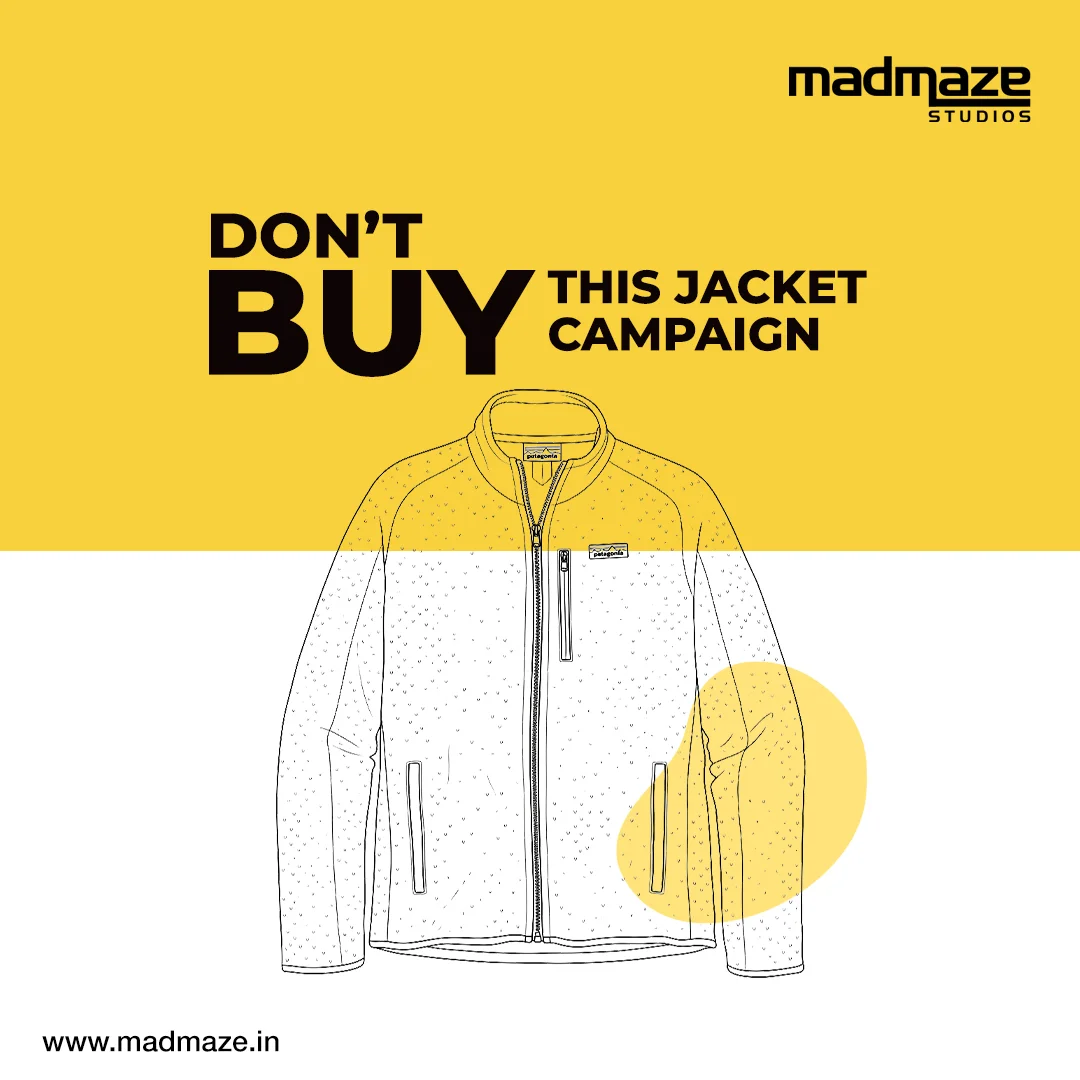
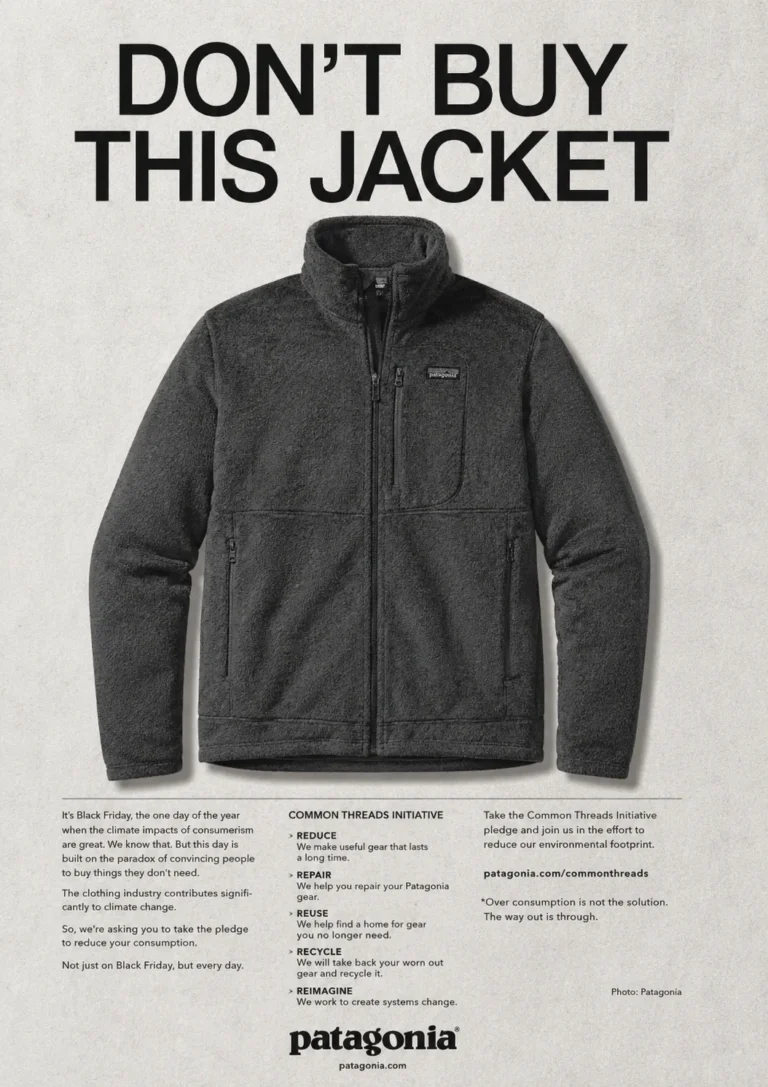
It was Black Friday. The single biggest shopping day of the year. Every retailer on earth was screaming "Sale! Sale! Buy more!" And then there was Patagonia- running a full-page ad in The New York Times with four words that stopped the world cold:
"Don't Buy This Jacket."
Below those words sat a photo of their best-selling R2 fleece. And below that, a list of exactly why you shouldn't buy it.
No discount code. No urgency countdown. Just honest math.
That was November 25, 2011 . What happened next became one of the most studied marketing paradoxes in modern marketing.
The Setup: Who Is Patagonia, and Why Does This Matter?
A brand built on a contradiction
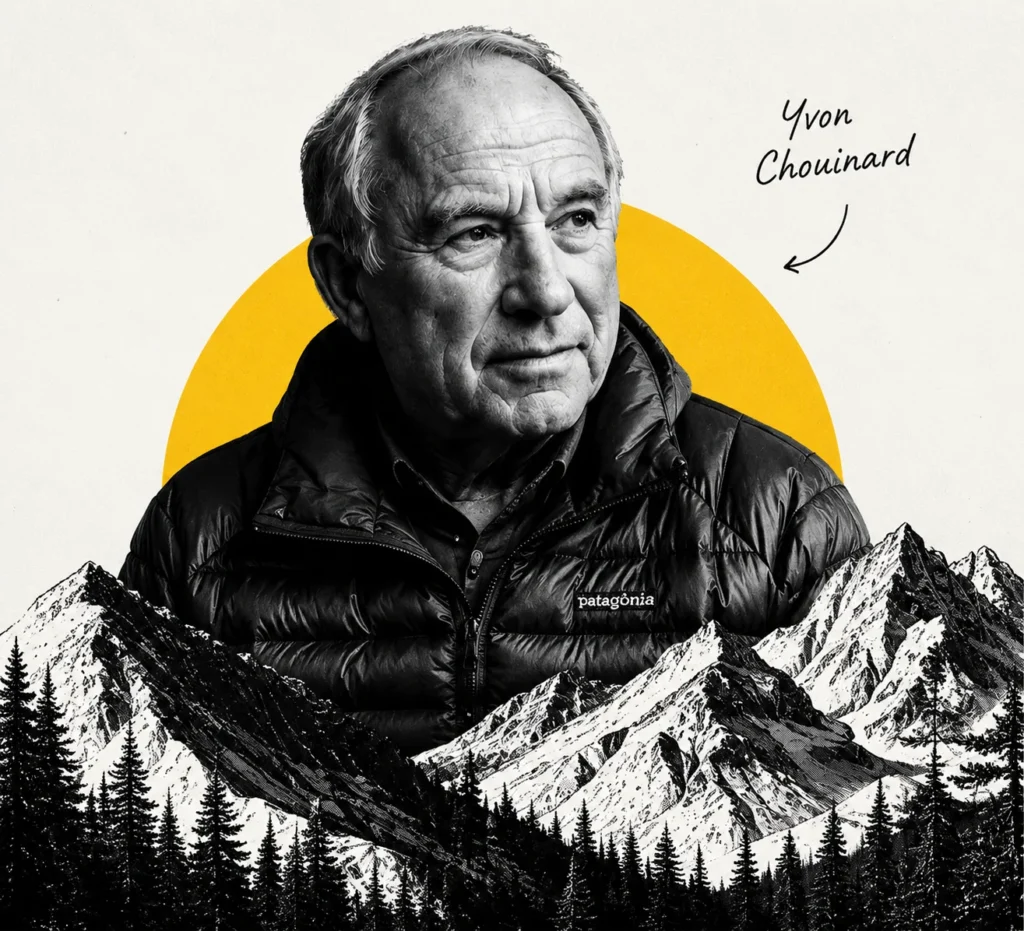
Patagonia was founded in 1973 by rock climber Yvon Chouinard, a man who never actually wanted to be in business. He made climbing tools for himself, friends wanted them, and somehow it became a company. From day one, the tension between making things and not wrecking the planet was baked into the brand's DNA.
By 2011, Patagonia was a well-respected outdoor apparel company with a strong environmental track record, a member of 1% for the Planet , donating 1% of all sales to environmental causes. But they wanted to say something the industry would never say.
So they did.
The Ad: What It Actually Said
The math that made you uncomfortable
The "Don't Buy This Jacket" ad wasn't vague activism. It was specific. It laid out the exact environmental cost of making one R2 fleece jacket:
- 135 litres of water - enough to meet the daily needs of 45 people
- 20 pounds of CO₂ - roughly 24 times the weight of the jacket itself
- Two-thirds of its own weight in waste is generated during production
And then it said, plainly: don't buy this product if you don't need it.
The ad directed readers to Patagonia's Common Threads Initiative - a five-part pledge built around five Rs:
It was a framework in which a company asked its customers to hold both themselves and Patagonia accountable.
Reduce
only buy what you genuinely need.
Repair
fix what breaks rather than replace it.
Reuse
sell or pass on what you no longer need.
Recycle
of print and branded setups
Reimagine
together, build a world where we take only what nature can replace.
The Setup: Who Is Patagonia, and Why Does This Matter?
"But you're still selling jackets..."
The criticism came fast. Journalists and commentators called it a publicity stunt. How can a growing company, opening new stores and printing more catalogs, tell people to buy less? Isn't that the definition of hypocrisy?
Patagonia didn't dodge the question. In the follow-up piece on their own website , they wrote directly:
"It would be hypocritical for us to work for environmental change without encouraging customers to think before they buy... It's folly to assume that a healthy economy can be based on buying and selling more and more things people don't need."
They weren't pretending to be perfect. They were saying: we're trying, it's complicated, and we're asking you to try too.
The Numbers: What Actually Happened
The paradox in full effect
Patagonia told people not to buy. And people still bought.
Over 51,000 people took the Common Threads Initiative pledge. And revenue? It didn't drop. It surged.
- 2011 revenue: approximately $400 million
- 2012 revenue: $543 million, a ~30% increase in the year following the campaign
- The company opened 14 new stores in 2012
- By 2013, revenue grew further to $575 million
- By 2017, Patagonia crossed $1 billion in annual sales
Sales grew not despite the message, but arguably because of it. The campaign attracted exactly the kind of customer who deeply values authenticity, and that customer becomes loyal, vocal, and long-term.
The Real Lesson: What Patagonia Understood About Buyers
It wasn't anti-marketing, it was the purest form of it
Most brands spend enormous energy building a perception. Patagonia spent energy building a reality and then just showed it to people.
The Follow-Through: They Meant It
Earth is now our only shareholder
What gives the 2011 campaign its lasting weight is what came after it. Patagonia didn't treat "Don't Buy This Jacket" as a marketing moment they could move on from.
In 2022, founder Yvon Chouinard transferred ownership of the entire company, valued at approximately $3 billion, to a purpose trust and a non-profit organization. The company's profits now fund environmental causes. Their own declaration: "Earth is now our only shareholder."
You can read the full statement at patagonia.com/ownership .
What Every Brand Can Take From This
The "Don't Buy This Jacket" campaign worked because it wasn't a tactic dressed up as values. It was values that happened to be excellent marketing.
The takeaway for any brand, large or small, is simpler than it sounds: know what you actually believe, say it out loud, and then build your business around it. The audience will find you.
Madmaze Take: Patagonia didn't disrupt the market with tech, budget, or a celebrity face. They did it by being genuinely, uncomfortably honest in the one place no one expected it, on the one day everyone was watching. That's a lesson in timing, courage, and brand clarity.