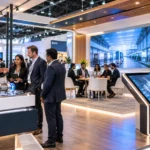
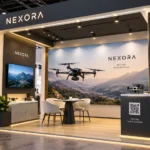
Audiences no longer want to simply watch a brand presentation; they want to touch, explore, and participate. Experiential brand activation helps brands create these interactive moments, from augmented reality demonstrations to live polls and gamified exhibition stalls. Interactive technology helps brands turn one-way communication into memorable two-way engagement.
For marketers, the value goes beyond novelty. A well-designed experience can attract attention, explain a product, capture qualified leads, and generate reusable content. Technology is not the experience itself; it is a tool that makes the brand story easier to understand and rewarding to join.
What Is Interactive Technology in a Brand Experience?
Interactive technology includes digital tools that respond to an audience member's action, choice, or presence. Instead of passively receiving the same message, each visitor influences what happens next.
Examples include touchscreens, augmented reality (AR), virtual reality (VR), QR journeys, live polling, AI-assisted recommendations, and interactive projections. Brands can use them at launches, exhibitions, conferences, corporate events, and activations.
The best applications connect three elements: a clear message, a simple audience action and a meaningful response. If the interaction does not support the event objective, even impressive technology can become a distraction.
Why Are Brands Moving Beyond Passive Event Formats?
Attention is limited, especially in busy exhibition halls and content-heavy corporate events. Static displays and long presentations often give visitors little reason to participate. Interactive event technology changes that relationship by giving people an active role.
Participation can also improve understanding. A prospect who configures a product on a touchscreen or explores its features in AR engages on personal terms, making a complex solution clearer and more memorable than a brochure alone.
Which Technologies Are Changing Brand Experiences?
AR can place a digital product or information layer into a visitor's real-world view. VR can transport users into a simulated showroom or product scenario. Both help when a physical product is unavailable or difficult to demonstrate.
Touch walls, digital tables, and projection mapping let visitors compare options, reveal product stories, or watch a space respond to movement.
Quizzes, challenges, leaderboards, and live polls add momentum. A brand-relevant game can increase dwell time and open a natural sales conversation.
AI can tailor recommendations using information visitors choose to provide. A conversational interface might guide attendees to a relevant product or demonstration. Clear consent and responsible data handling remain essential.
Visitors can tap or scan to check in, unlock content, join an activity, or request follow-up. Each step should be fast, mobile-friendly, and valuable.
How Does Interactive Technology Generate Leads?
Interactive experiences create natural opportunities to capture data. Instead of starting with a long inquiry form, a brand can first offer useful content, a personalized result, or an enjoyable activity. The visitor then has a clear reason to share contact details or request a conversation.
It can also collect consent-based intent signals, such as the product explored or demonstration completed, helping sales teams deliver relevant follow-up.
Measure success against business goals, not footfall alone. Useful indicators include participation rate, dwell time, completed interactions, qualified leads, booked meetings, downloads, and post-event inquiries. Event teams should define these measures before selecting the technology.
Where Can Brands Use Interactive Experiences?
At a product launch, AR can reveal features before the physical unveiling. At an exhibition stall, a touchscreen selector can help visitors identify the right solution and connect with a specialist. During a conference, live polls and Q&A tools turn a presentation into a conversation. For an event management company in Chennai, these interactive formats can help brands create more engaging experiences across launches, exhibitions, conferences, and corporate events.
Start with the audience and desired outcome. Is the goal to demonstrate a product, educate buyers, generate leads, reward employees, or encourage sharing? The answer should shape the technology.
Keep each interaction intuitive and accessible. Test it under actual venue conditions, including lighting, connectivity, crowd flow, and device performance. Protect participant data and prepare an offline fallback.
Finally, connect the experience to a next step: book a consultation, receive a personalized report, visit a product page, or speak with an expert. A memorable moment becomes commercially valuable when the journey continues.
MadMaze integrates interactive technology into a complete experience strategy—from concept and venue planning to production, brand activation, and on-ground execution. For launches, exhibitions, corporate events, and pan-India activations, each interaction supports the brand story and business objective.
Planning an event that needs more than a stage and screen? MadMaze is a brand activation company in Chennai that can help create an interactive brand experience built to engage the right audience and create measurable opportunities.
Talk to MadMaze about an interactive brand experience built to engage the right audience and create measurable opportunities.
It is an experience in which people participate through touch, movement, choices, games, or connected digital tools rather than only watching or listening.
It can when the activity is relevant, simple, and useful. Strong experiences give visitors an immediate benefit while supporting a clear campaign goal.
Yes. Quizzes, configurators, and demonstrations can capture consent-based contact details and intent signals, enabling more relevant sales follow-up.